The ‘Third Place’
“
’Third Places’ are nothing more than informal public gathering places. The phrase ‘Third Place’ derives from viewing our homes to be the ‘first’ place in our lives, and our work place the ‘second’.”
From early civilisation the value of human interaction has always been recognised and held with utmost importance. As social creatures we thrive within communities and the effects of loneliness on the human brain can be detrimental. We have never failed to invent new ways to spend time with each other, this animalistic craving for community often channelled through sports, dance or art.
A 'Third Place' is somewhere that people can go to mix with other people which is close to their home, it is within these places that connections form between neighbours and a sense of community can grow. These spaces must be inexpensive and accessible, some examples include libraries, coffee shops, bars/clubs and cinema's. In 2025, these places are struggling businesses just as much as they are important pillars in the community. When these establishments make minor, cost-effective changes it creates a domino effect. The recent trend of banning laptops at coffee shops means that more people have to retreat to their lonely living rooms.
A quick pint at the pub down the road will set you back £6, you might as well go home and have a nice, free glass of water. The best things in life are free right! It’s reached the point where it is genuinely financially irresponsible to go to these establishments every day. You can’t justify spending a small fortune on a muffin and a matcha on your commute just in the hope that you might make a new friend.
Modern urbanisation and architecture works to protect us from the stranger, to shield us from people who wish us harm and create a bubble of security. But what if the stranger is not the enemy? The stranger is your best friend before you met, your future boyfriend or the old lady on the top floor that brings you flowers when your baby is born. The post-war suburban landscape doesn’t allow much room for communities to form naturally. Food delivered to your door in the rain. Uber’s with your headphones in.
Neighbourhoods beg for an accessible, free meeting spot for people to come together. And no, a small plate restaurant or Joe and the Juice doesn’t count! In the current day, it's as though every interaction must serve a purpose. Just wanting to be surrounded by familiar faces isn't a good enough reason to go out. Spontaneity is one of the loveliest parts about being young, with less ties and risks. There’s nothing spontaneous about a £30 entry fee.
As individuals we need an outlet where we can escape our routine and just spend time with other people, nothing is more comforting than hearing from others that they are sharing the same experiences as you. Without these third spaces life becomes a shuttle of home-to-work-to-home-to-work.
Third Places don’t just belong in the daytime, clubs and event spaces are just as important in allowing people to connect with others and sweat out the stress of the previous week. For some, the best outlet for releasing tension is going out. Sometimes when your brain is so busy the only thing that brings stillness is noise (and 32 Jägers).
Clubbing culture is starting to become demonised as though it is a shallow, seedy thing to enjoy when I feel it’s the exact opposite. In an individualist and lonely time it is one of the only places where social interaction is encouraged and people are not so tightly-wound.
Yet, since Covid brought the death of nightlife, these establishments are not exempt from rising rent costs and fewer customers. In my last few months at Leeds University, a string of iconic and well-loved event spaces closed their doors. Places such as Sheaf Street, Wire and more recently The Old Red Bus Station. It is truly sad to see such iconic venues being forced to close down, and why should they have to? There are many implications that stem from the closure of these grassroots venues. I can personally name many friends which I met in these establishments, people who might not be in my life if they didn’t exist. These venues also support local or smaller artists or DJ's which would not be given the same opportunities by more mainstream organizations. One of my favourite DJ's, Main Phase, had his UK debut at Old Red Bus Station. Without these event spaces for locals and students alike, opportunities naturally disappear.
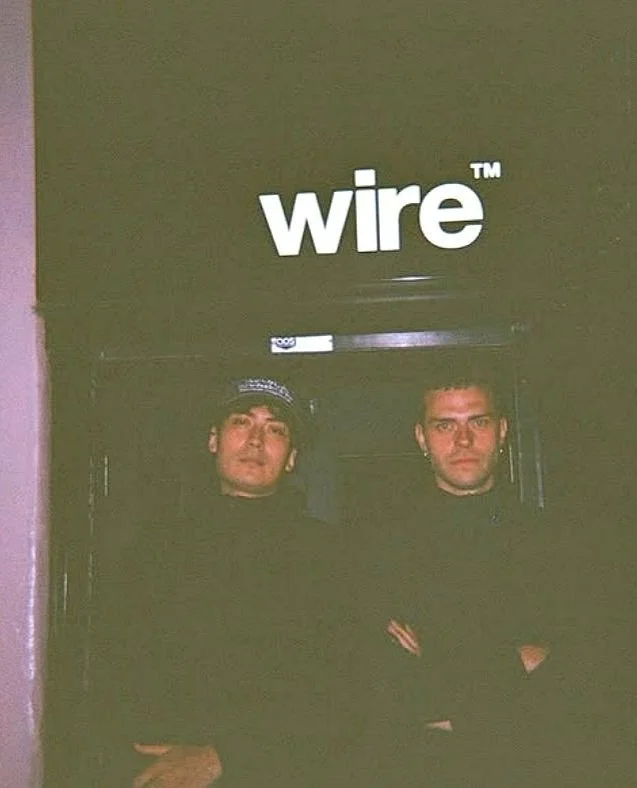
The closure of these third places also have different implications on society. Without these places it limits the amount of interaction intergenerationally. If you really think about it there are not that many occasions in which you socialise with elderly people, and vice versa. There will naturally always be a divide between the young and the old, but it is hugely important that we surround ourselves with every generation and not just people our age. Places like libraries, galleries and cinemas are essential in combining these contrasting worlds. You’re not exactly gonna strike up convo with 87 year old Barbara in the smoking area…
Covid changed something within the chemistry of society. People saw the reality of a life of solitude, most rebelled against the loneliness and vowed to spend as much time with others as possible when it was over. However, I think a lot of people enjoyed it. People got used to not having to make excuses for wanting to stay in and found comfort with their new routine. People are slow to admit this as it seems inappropriate to admit you found solace during a time of such unknowing and loss. It’s a given that being forced inside during years of essential development can’t be great for a person’s social skills, so can you blame them?
Trying to create a frictionless space for people to socialise is now very difficult. It’s tricky to cultivate something that should be natural. It feels performative and awkward. The problem being that these places often create themselves, people learn through word of mouth and so the cycle continues. In a climate of strong individualism it is not so easy to start a community space as communities don’t exist in the way they once did.
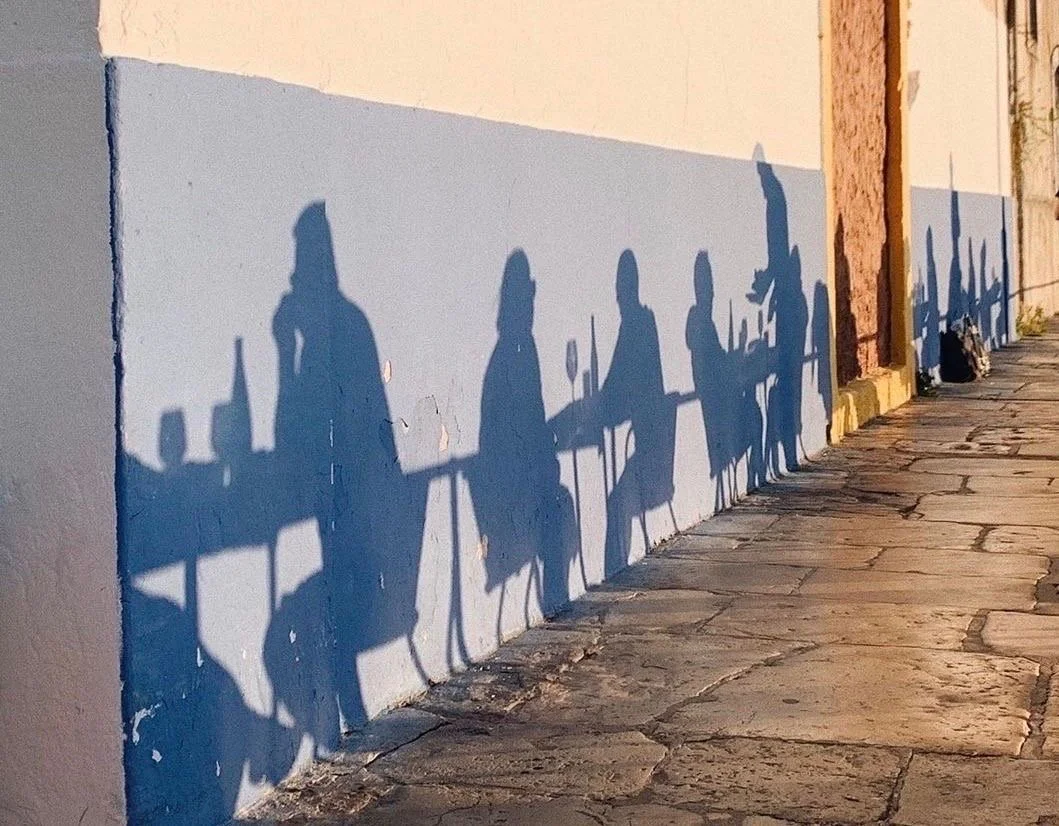
It also is slightly impossible to reel it back a bit, for inexpensive/free third spaces to begin popping back up there will have to be a handful of generous shareholders willing to initially trade profit for doing a good deed. Somehow I don’t see this concept taking off….
Once you begin to spot the pattern that is emerging, you realise that as a society we might have even developed a bit too successfully. The constructs that we now crave are the same ones we began with; Whole foods, minimal technology and emotional connection. It’s almost comical the idea that we have been so desperate and motivated to progress as a society that we left behind the bare minimum’s of human happiness. Sometimes you just want a hug and some raspberries.

Perhaps one of the easiest ways to inject more social interaction and joy into your routine is to do menial tasks with others. Walk to work with a friend, go to the gym together, do your food shop together. Whatever small task you would normally do alone, just involve someone else. Of course, sometimes you want to be silent and can’t think of anything worse and that’s also okay. I also find that by leaving your comfort zone and asking people to hang out it brings so much extra excitement and curiosity into your life. Even if you met someone briefly through a mutual friend, there is no shame at all in messaging them and asking to go for a drink. And if they say no? Who cares, you didn’t know them before and you won’t know them after.
Without sounding too existential, if we are unable to access many third places then it will negatively impact everyone, no matter their age. So think extra hard today about how to access more free spaces and bring more people into your life to increase your happiness :) And if anyone is up for it, maybe invest a cheeky 1 mil into an abandoned library.